WORKSHOPS & SEMINARS
The pedagogical framework of the studio is systematically organized around specialized workshops, experimental seminars, and research-driven design projects. Spearheaded by Emergent Technologies faculty and affiliated researchers, this sequence delivers an intellectually rigorous trajectory designed to cultivate advanced epistemological and technical competencies. By anchoring the curriculum in the evolving paradigm of Design Science, the program facilitates an immersive engagement with next-generation technology trajectories, such as bio-computational architectures, autonomous robotic fabrication, and generative spatial intelligence. Furthermore, it embeds students within London’s vanguard network of design researchers and pioneering computational practices, bridging academic speculation with industry-leading translational research. The studio ultimately culminates in the formulation of a highly specialized, methodologically robust proposal for an original architectural inquiry, establishing the theoretical and computational baseline for the subsequent dissertation.
-
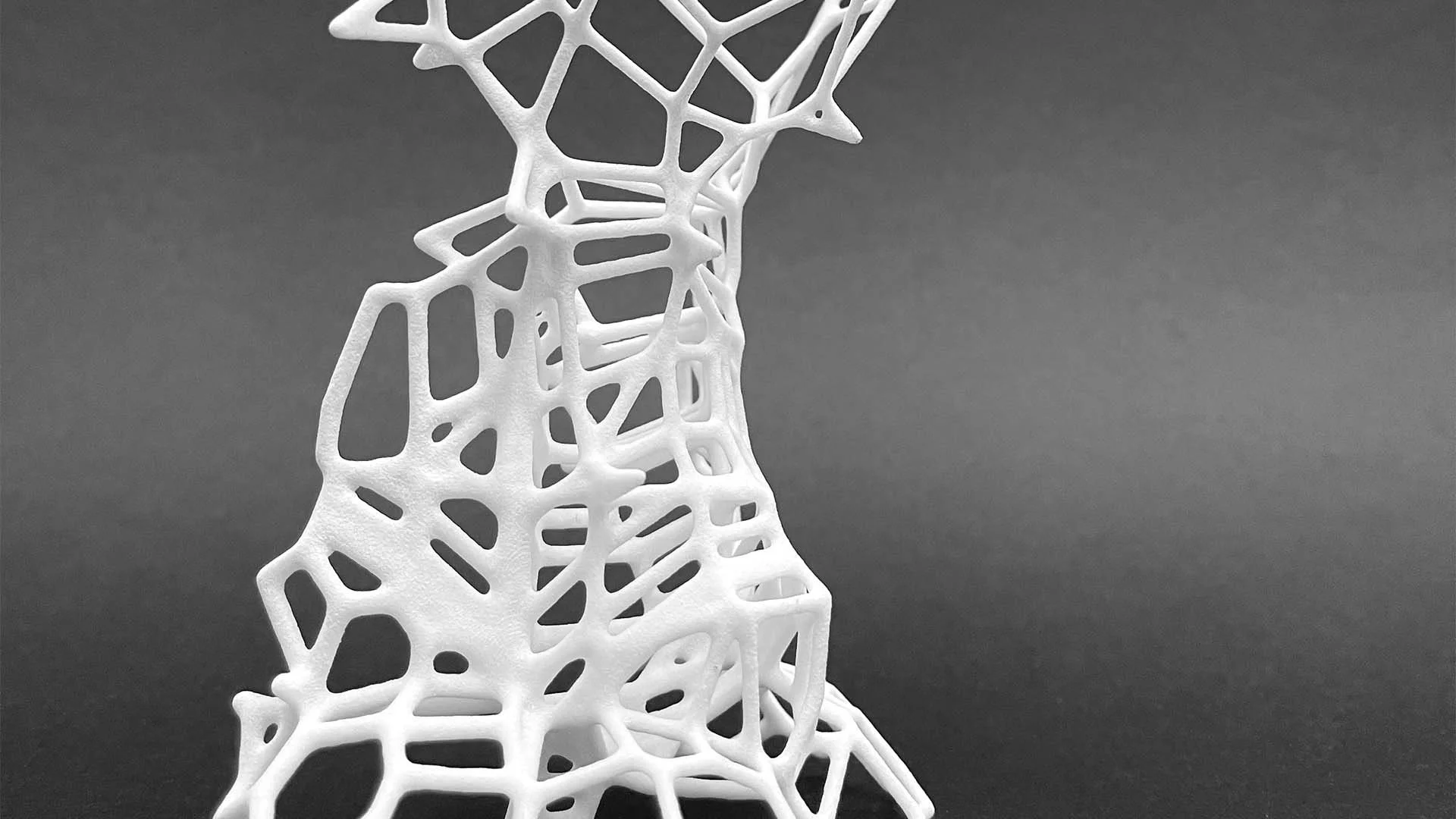
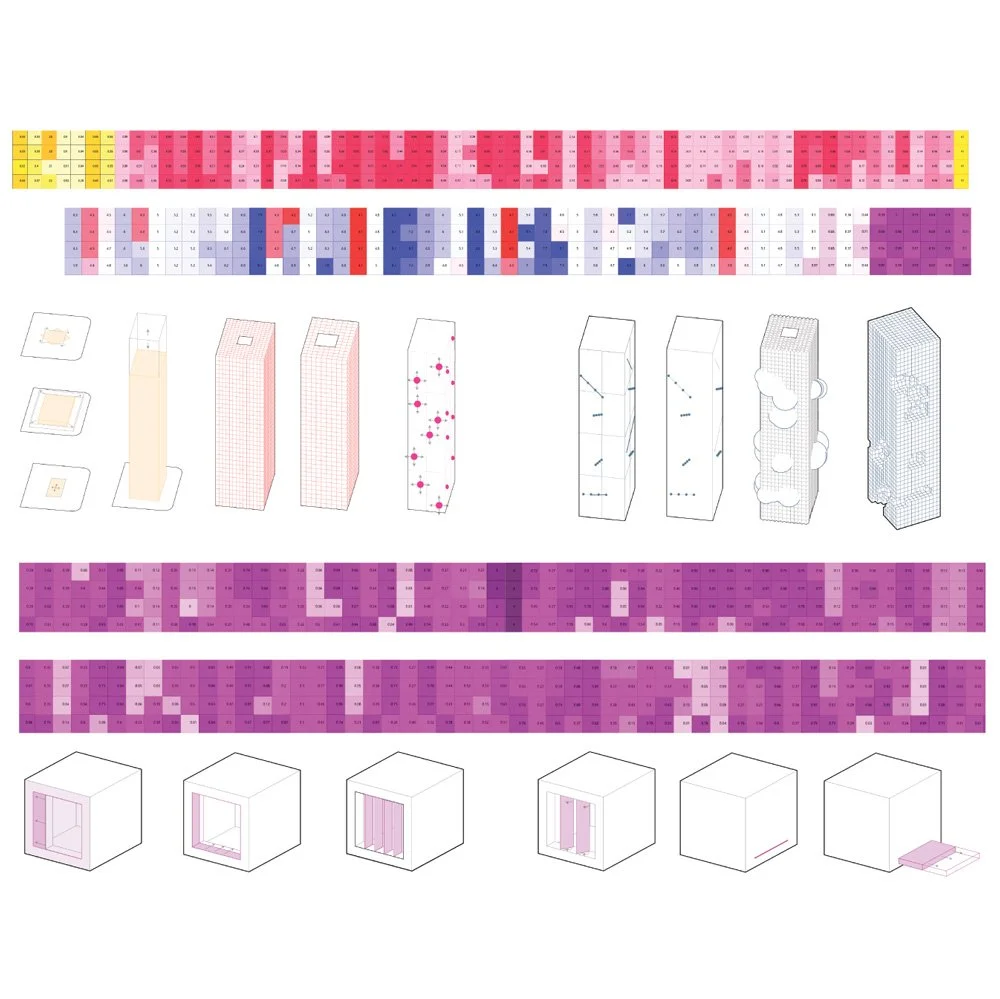
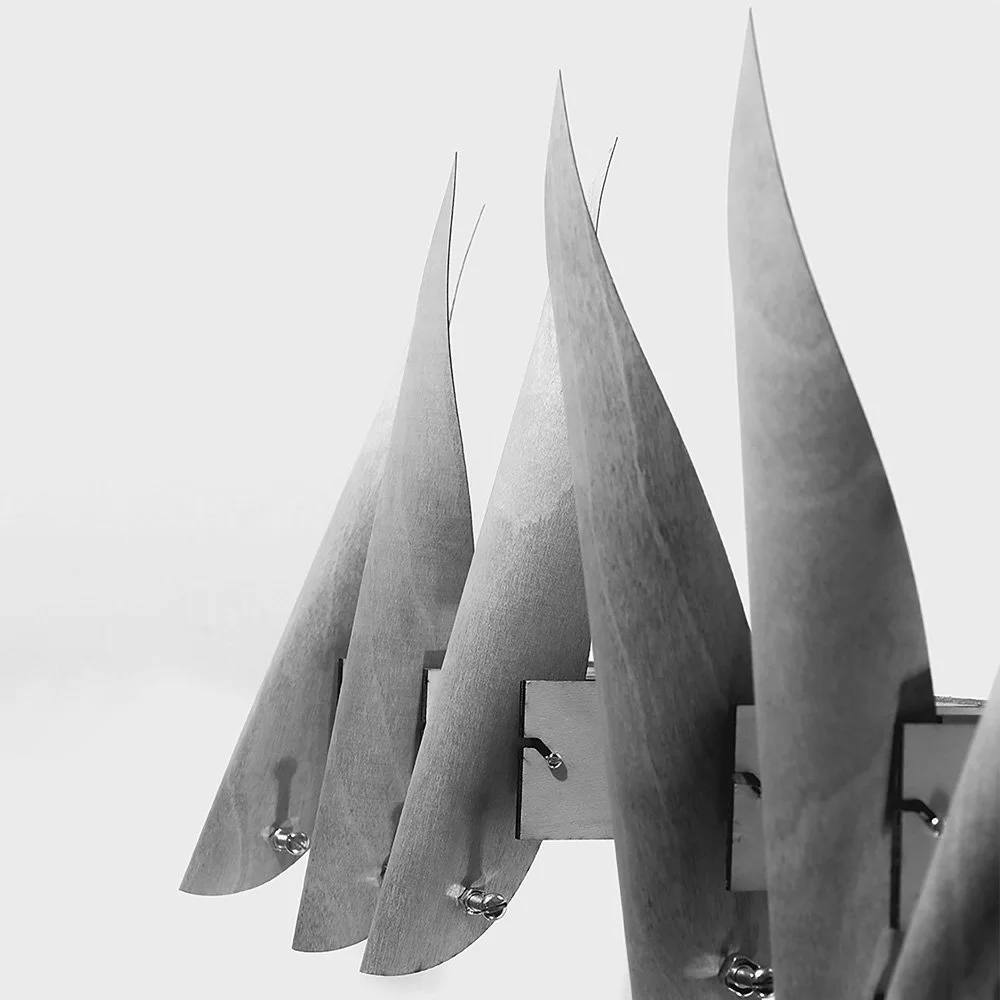
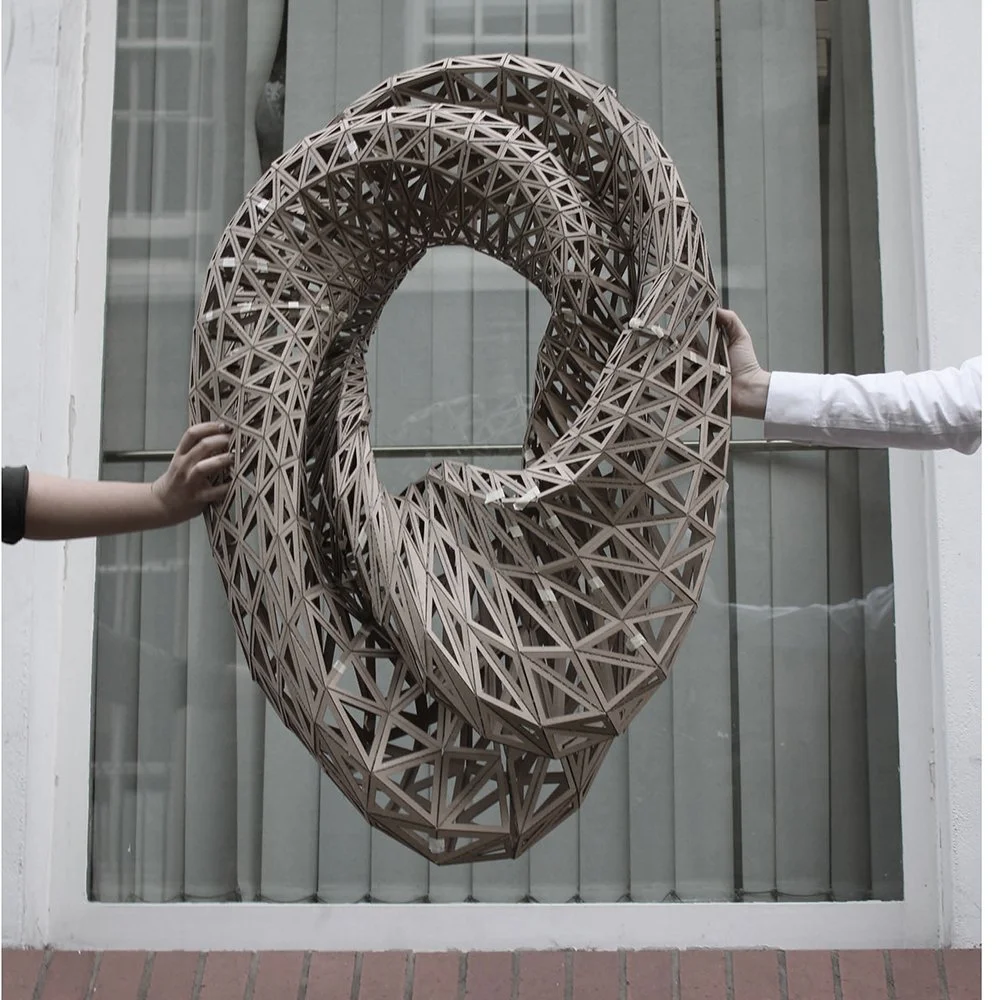
Design & Technology seminar bridges the gap between digital design and material reality through an intensive exploration of algorithmic thinking and fabrication. Students engage with complex computational tools to build associative geometric models, transitioning from individual digital surface explorations to physical, team-based material prototypes. By integrating parametric logic, structural analysis, and material behavior, the course shapes the future of architectural discourse, positioning computational intelligence as an evolutionary methodology for complex spatial design.
-
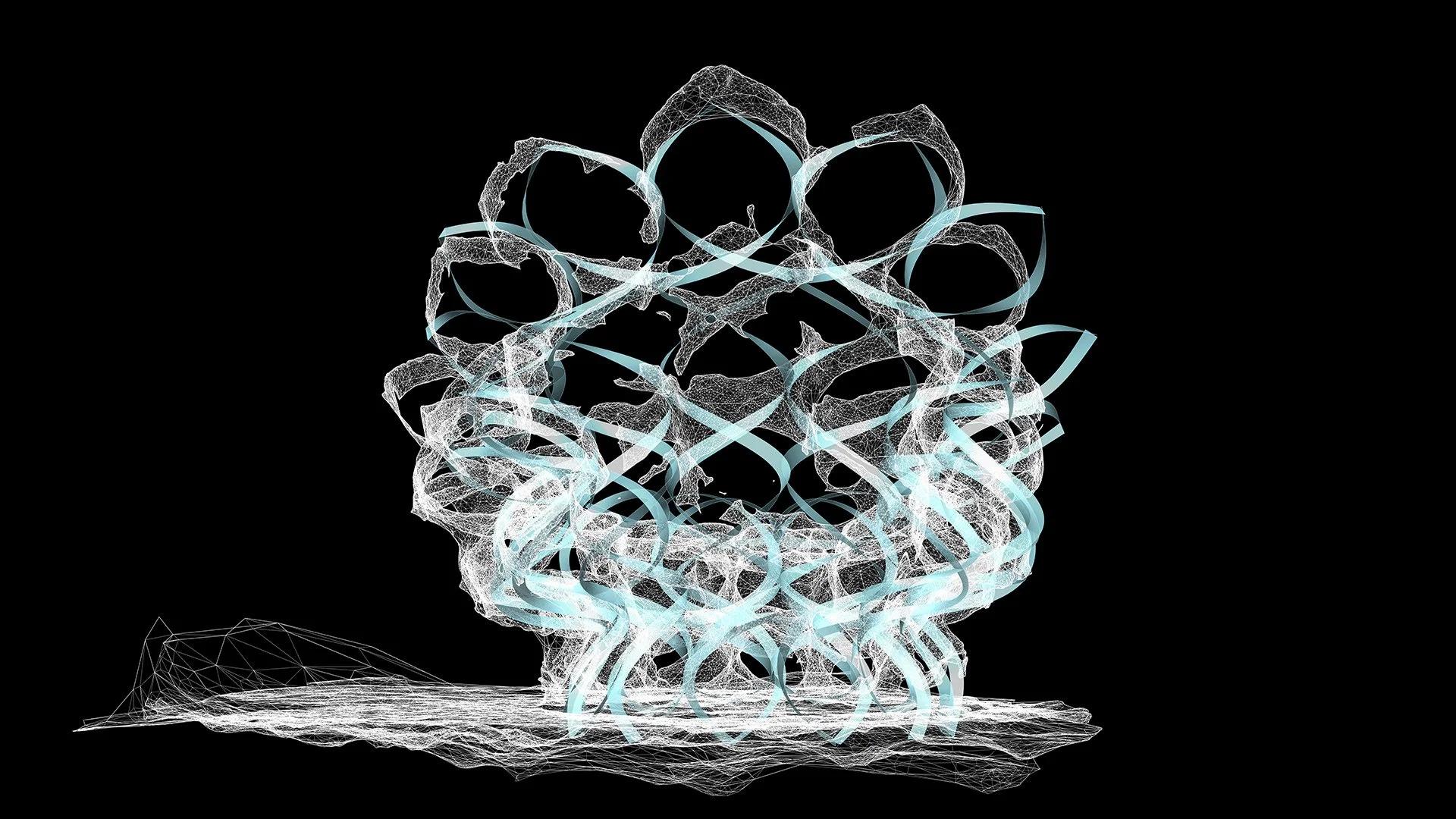
The course aims to develop an understanding of how biology can be a model for material, mechanical, spatial and computational systems. An introduction to the ways in which organisms have evolved through form, materials and structures in response to varied functions and environments is followed by an account of engineering, logical and organisational design principles that have been abstracted from nature in current research projects for industry and material science. A study is made of a natural system (general form, anatomy, energy flows, geometry, organisation, hierarchies and behaviour), along with an exploration of interrelations and an abstraction of design principles. The methods of analysis as well as system logic and material performance studied in this seminar will be further developed within Core Studio 1. Student groups will investigate mathematics, geometric, material and hierarchical logic in order to develop a critical view on the relationships between systems design and performance. -
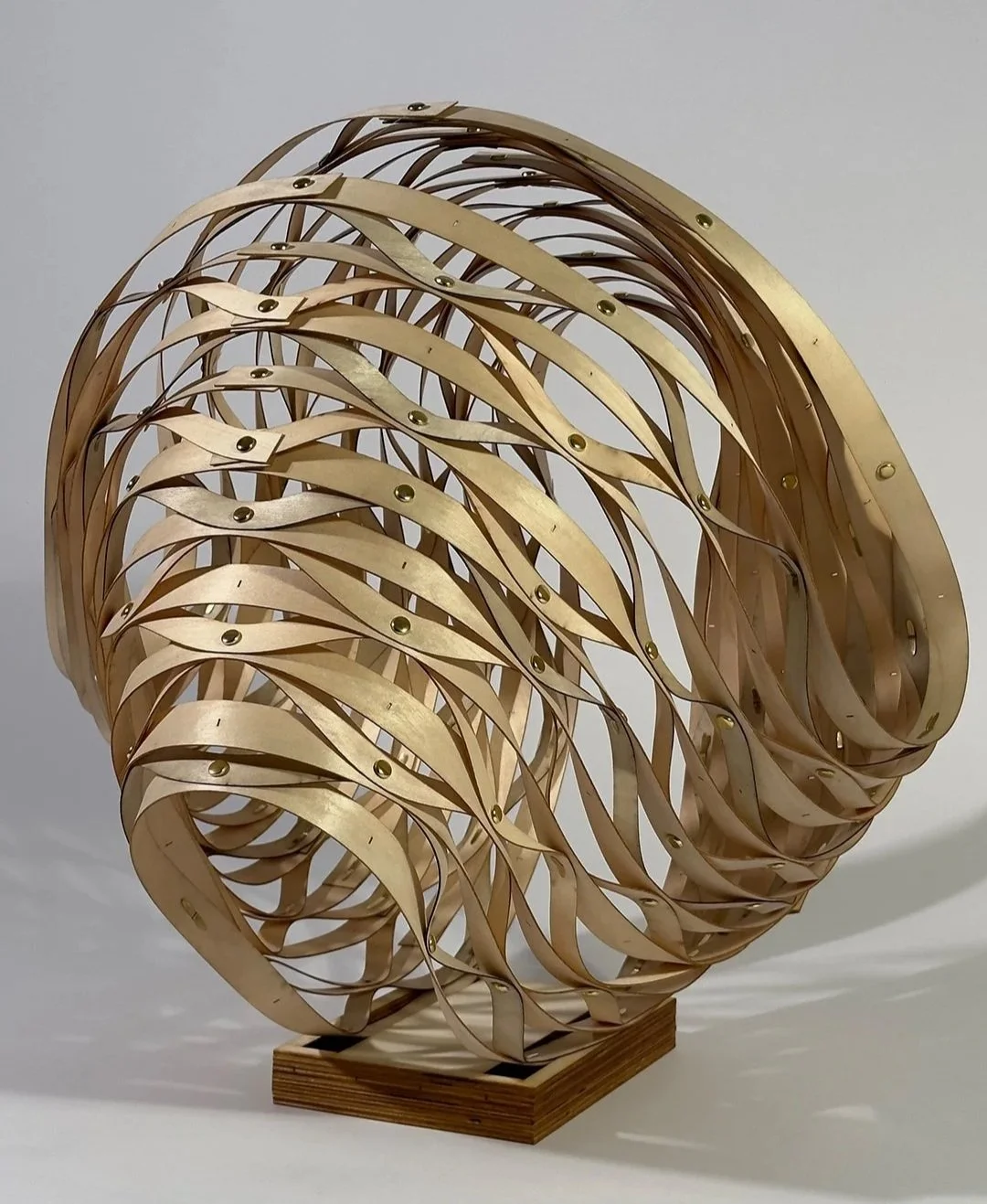
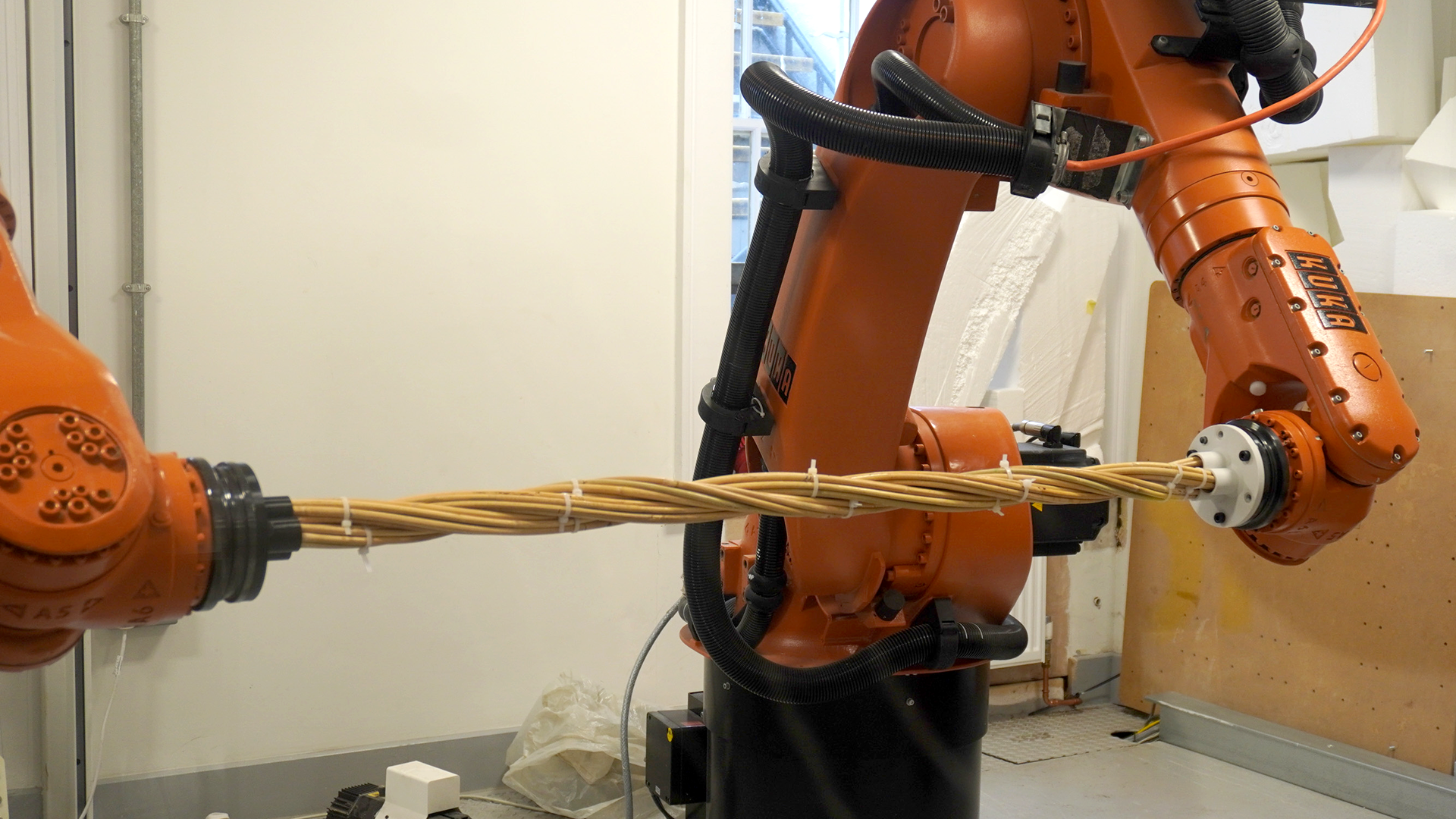
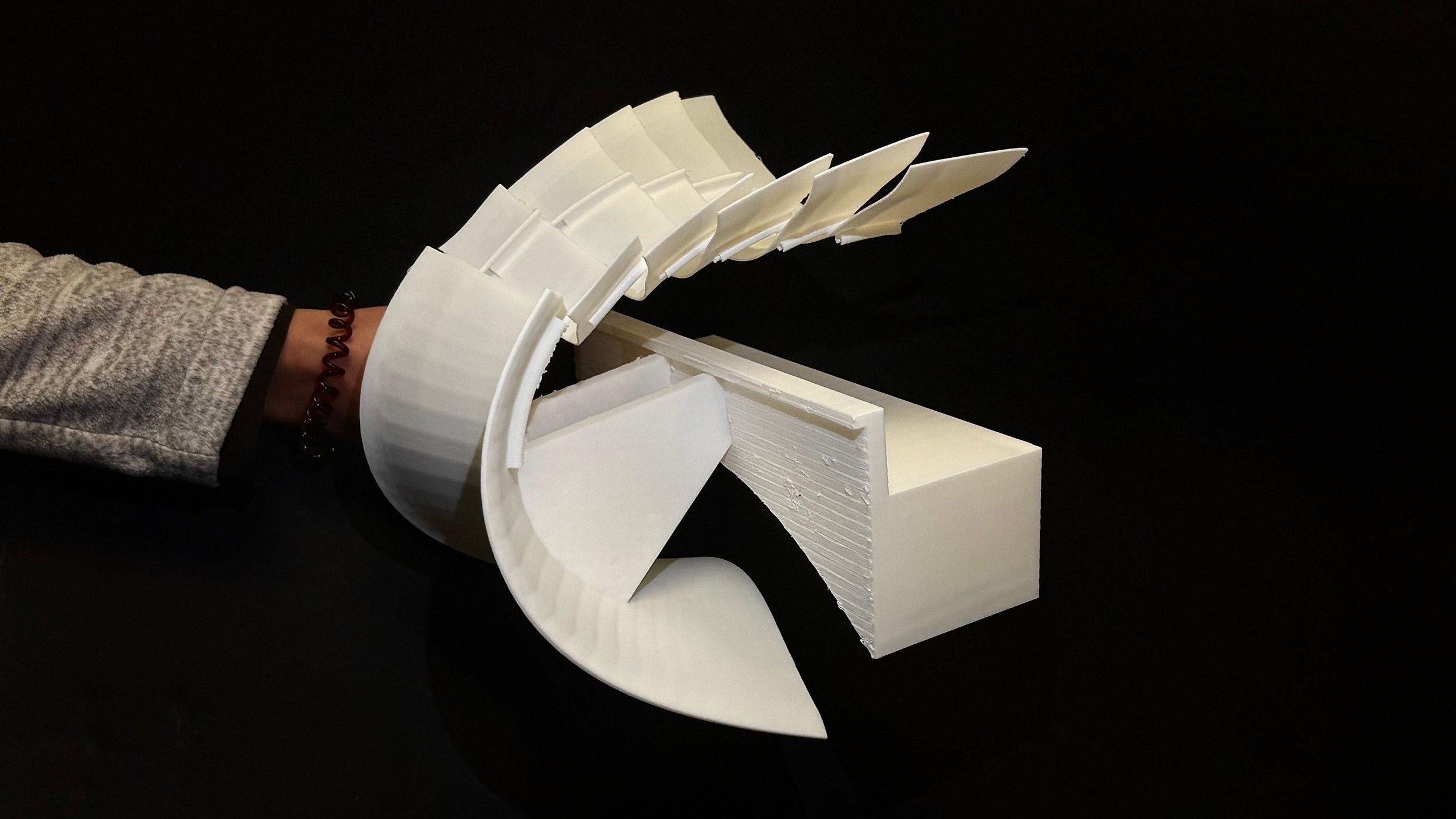
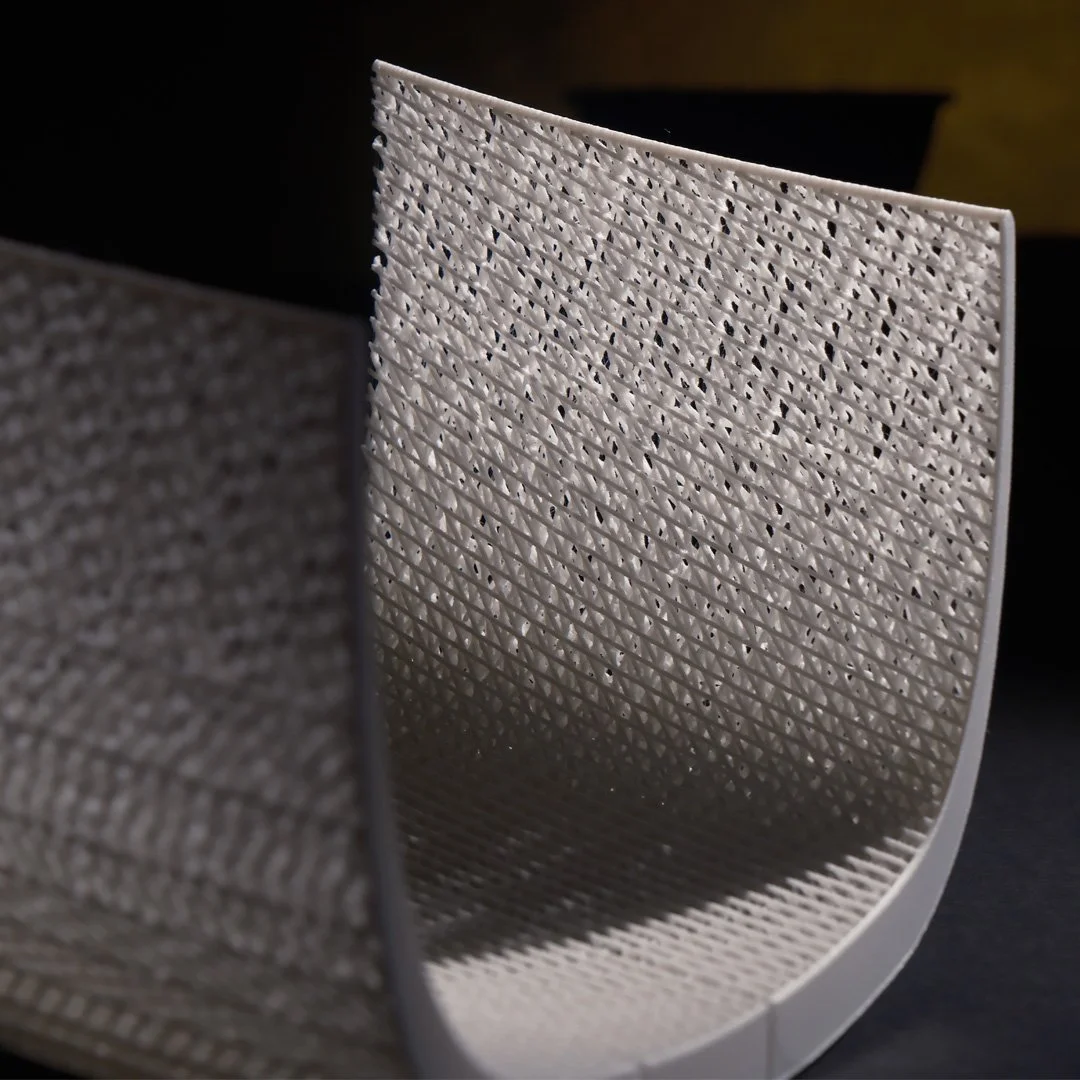
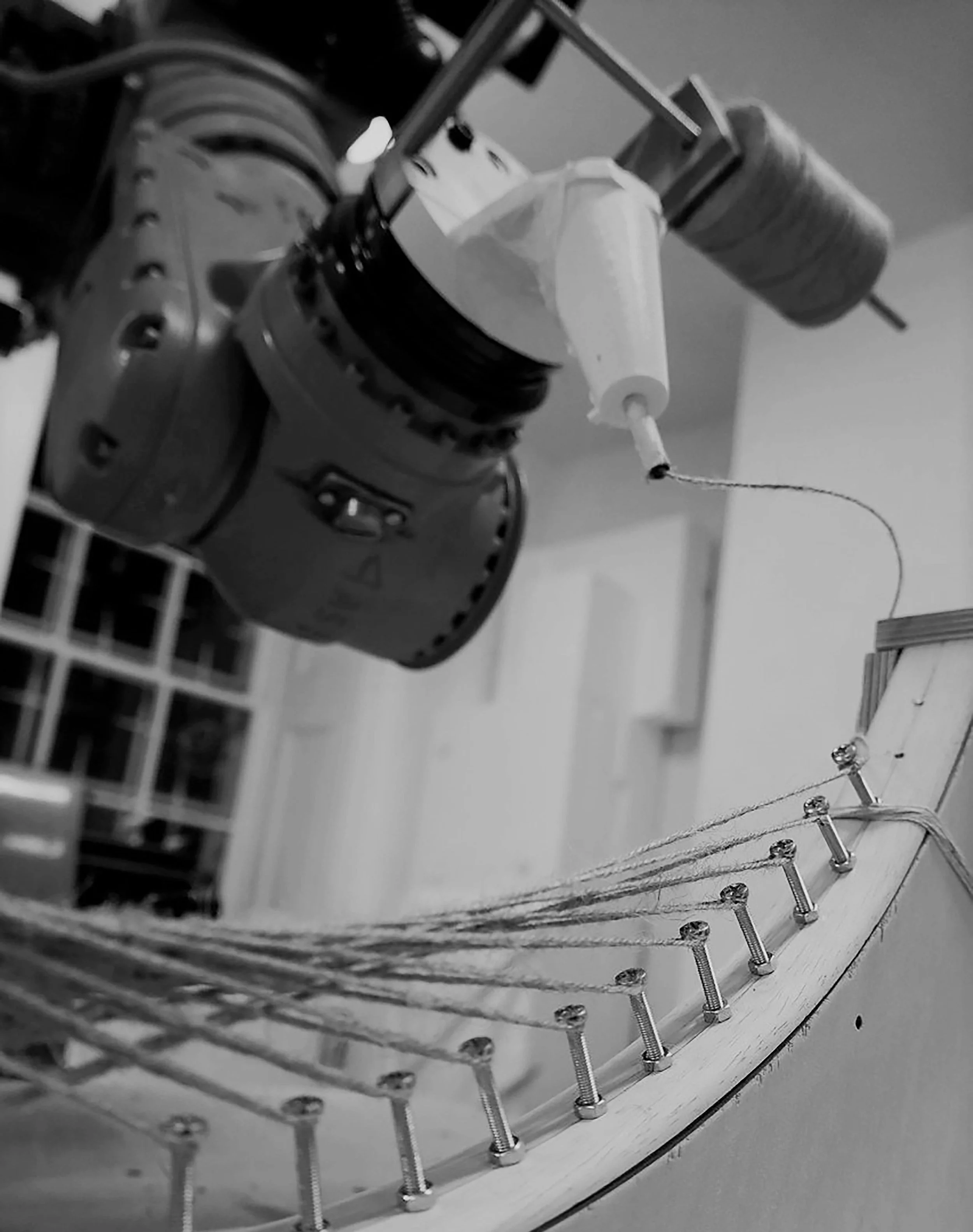
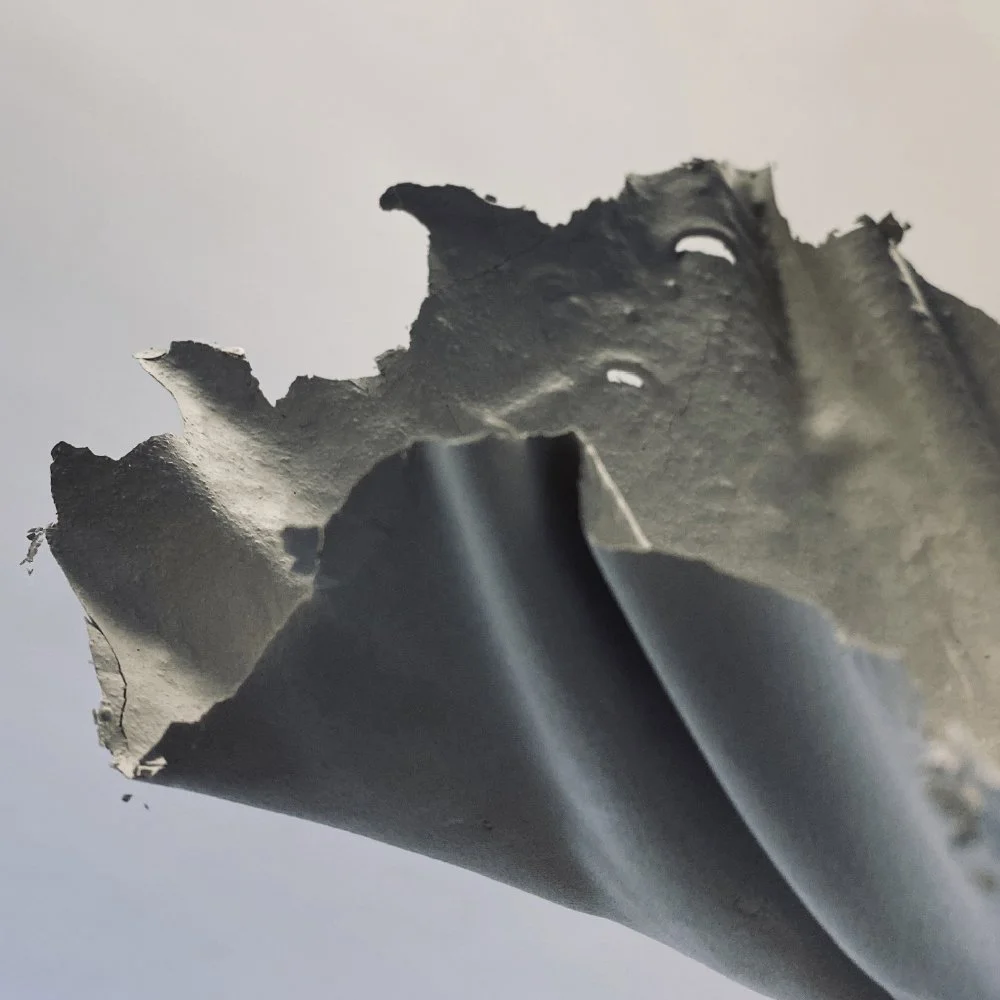
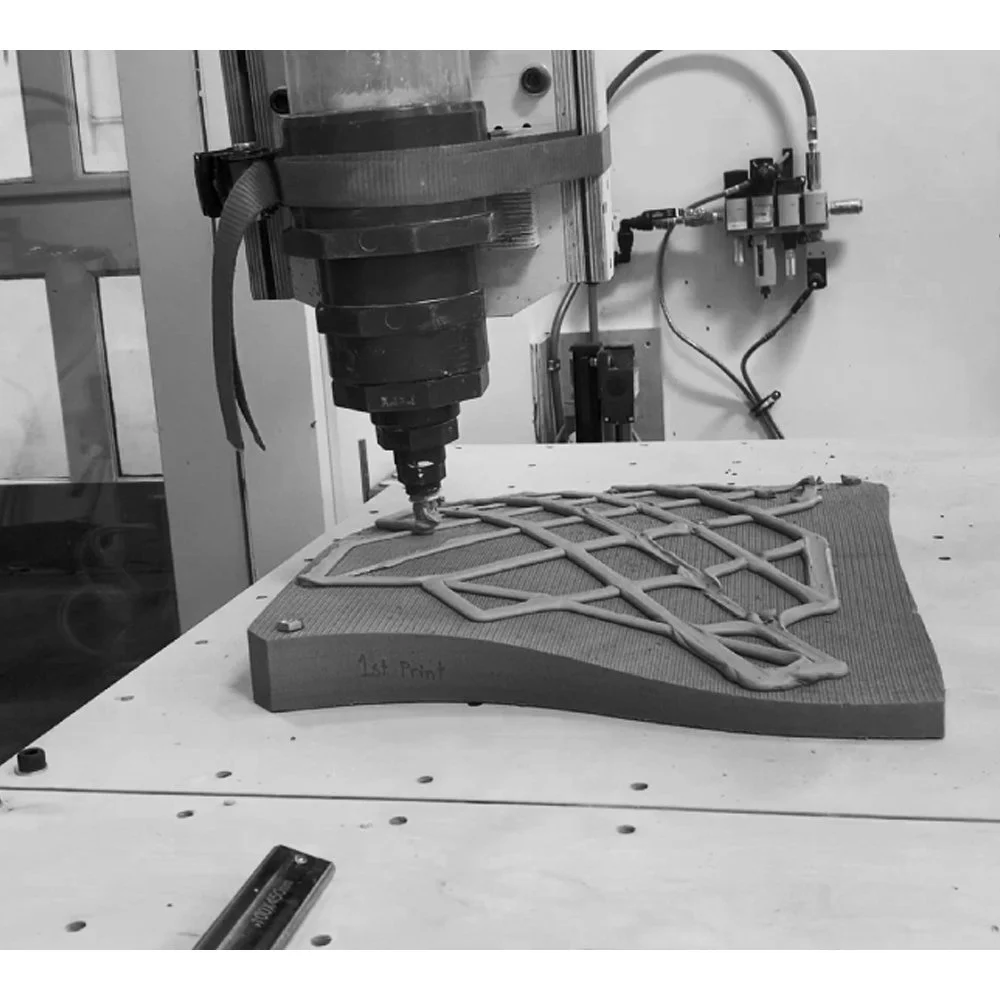
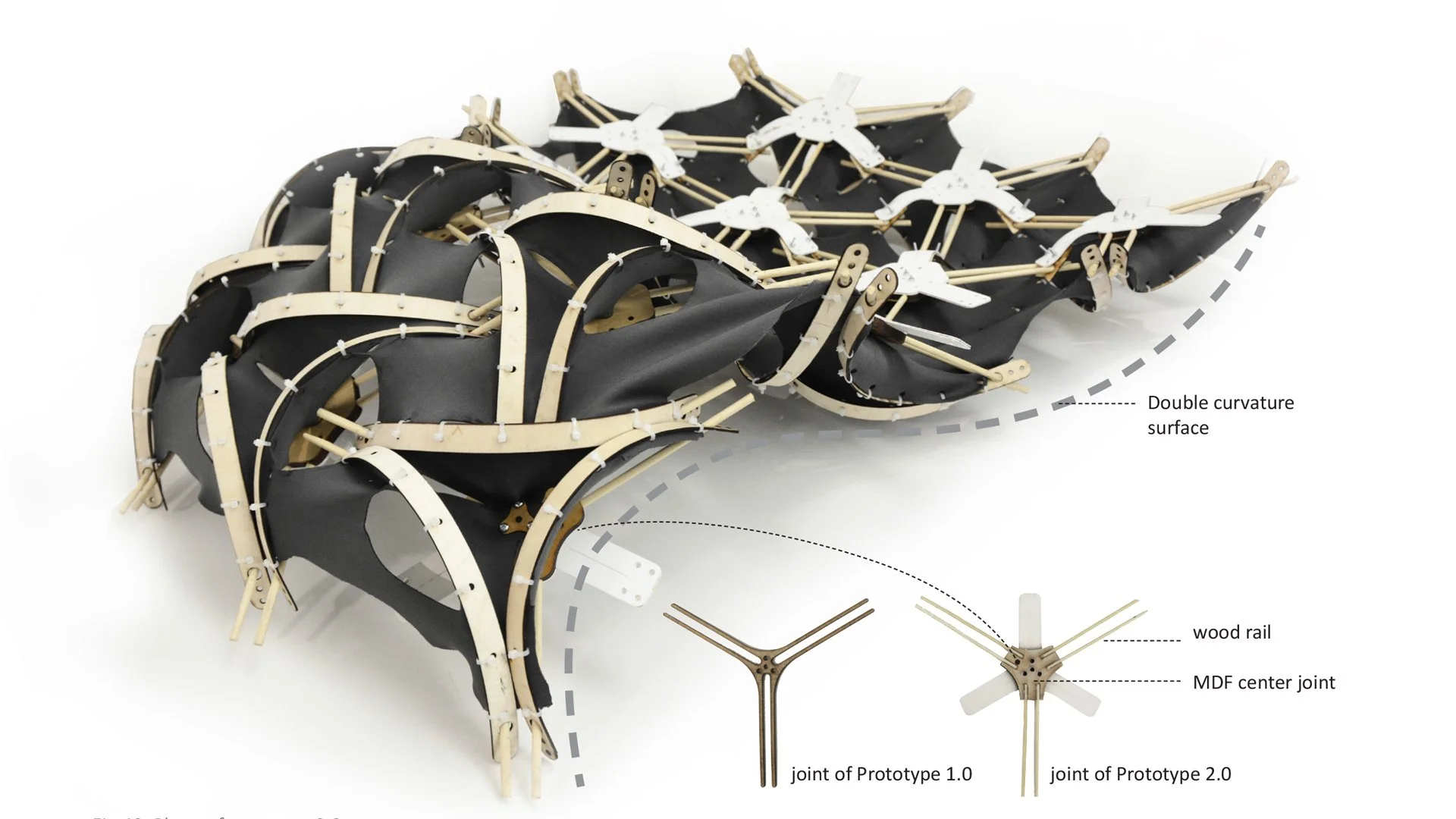
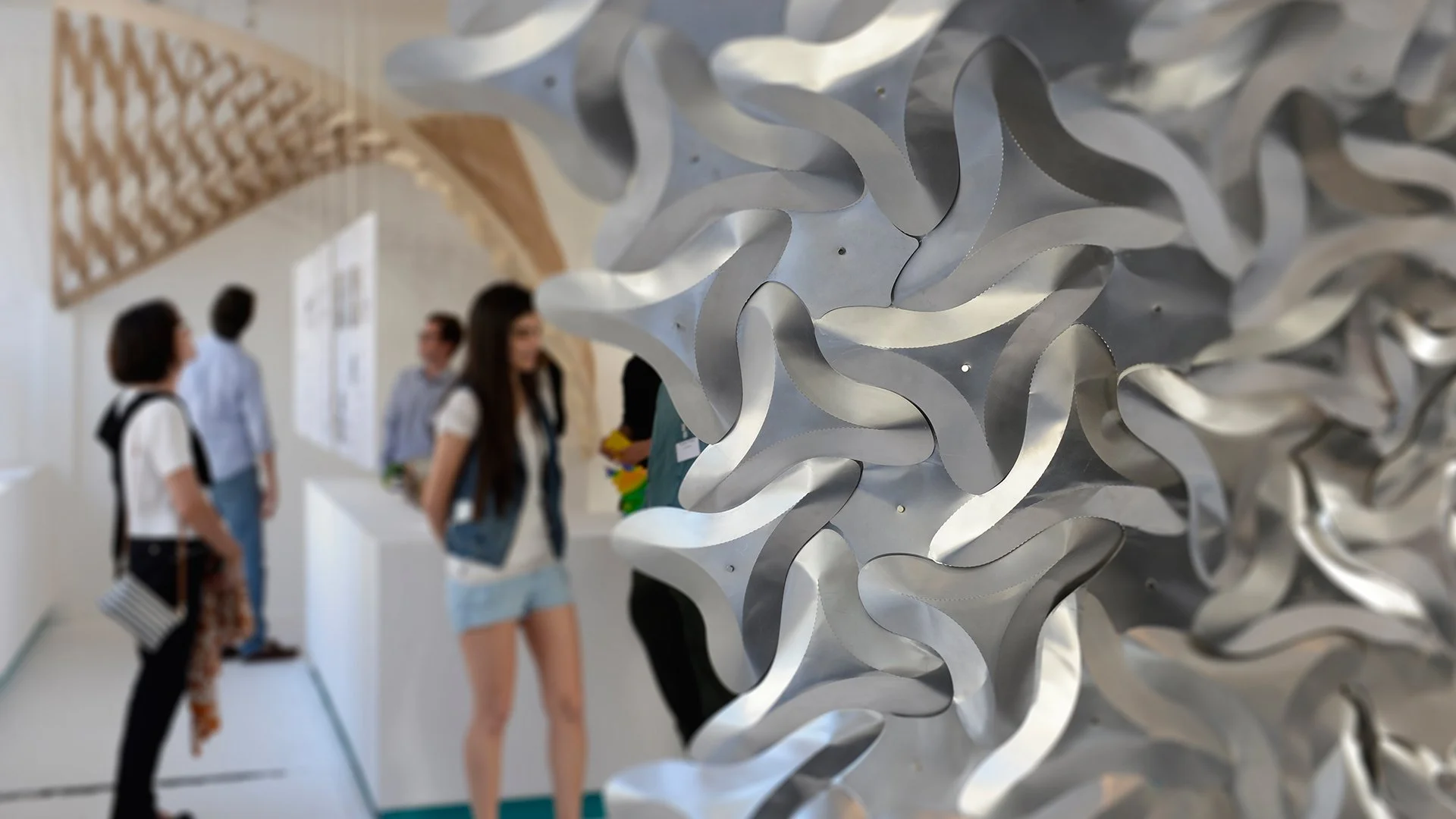
Digital & Material Fabrication explores physical and digital computational techniques used to develop the architectural qualities of different material systems adapted for specific climatic contexts. Digital models will explore possibilities in response to various environmental parameters while physical models will explore the integration of material behaviour and fabrication processes. Techniques derived from the concepts and knowledge of the hierarchical organisation of biological systems and computational models, developed in the seminar Course ‘Natural Systems and Biomimetics’, will be implemented. The purpose of Design I is to design, develop computational workflow techniques, analyse, and fully fabricate material systems that are situated within EmTech Design & Build research agenda.
-
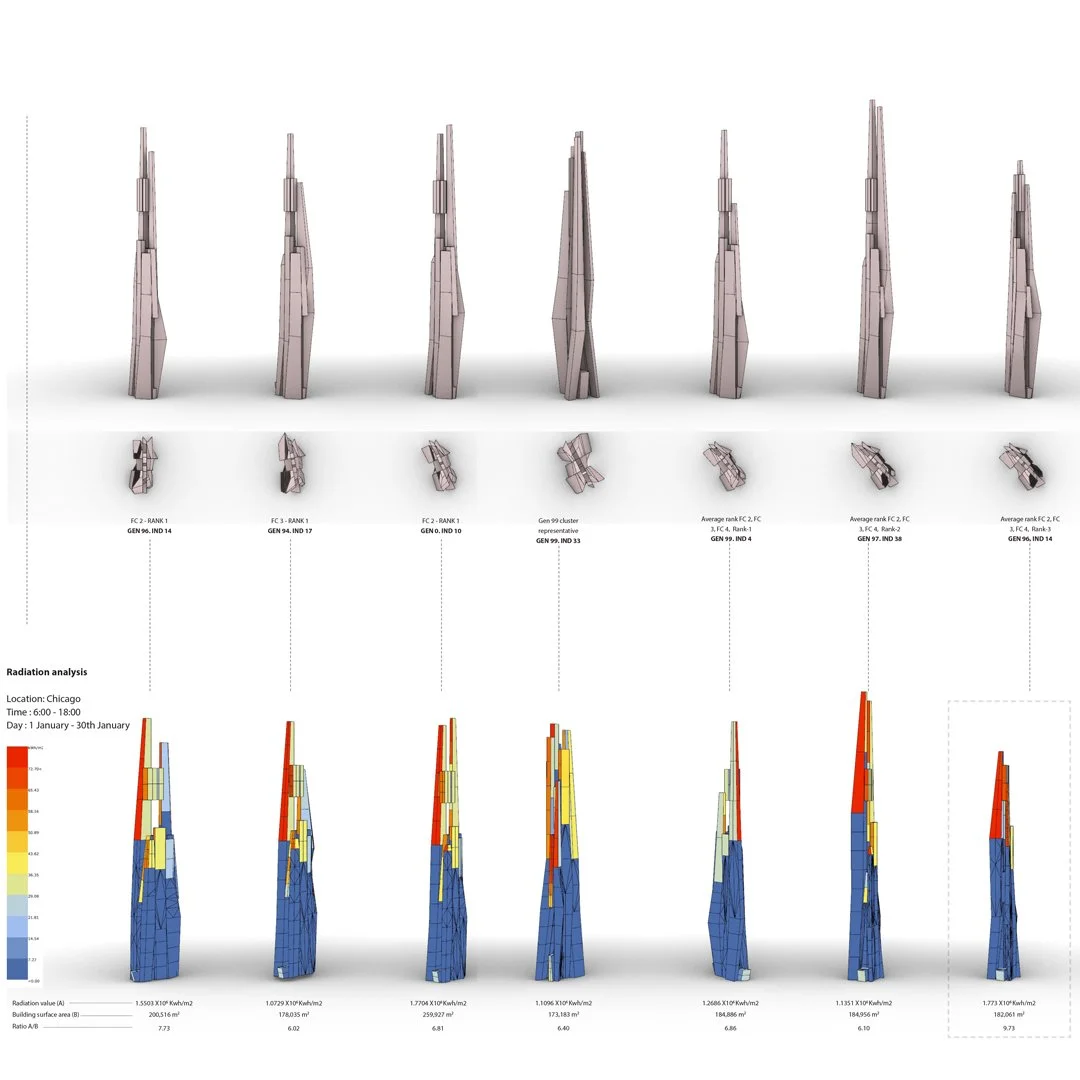
The theoretical context of seminar course is presented, focused on the dynamics of complex systems of the natural world, together with an identification of the operative spatial and temporal scales of their phenomena and their critical thresholds. The interrelations of the ecological and climatic context from which cities emerged, proliferated and evolved are traced and the potential outcomes of their current and future transitions are described. The dynamics of the flows of energy, information and material through living systems, cities and their networks are outlined, and the interrelations of morphology and metabolism of living beings to the genome are explored. The once separate bodies of theories in Evolution and in Embryological Development are now integrated into the new science of Evolutionary Development (‘Evo- Devo’). The role of the homeobox genes and their relation to the ‘body plan’ in embryological development provides the conceptual agenda for the rethinking of evolutionary computation. Students acquire experience in the use of Evolutionary Computation, develop the ability to design experiments and acquire skills in this domain, and further refine documentation and presentation skills in the studio presentations and written submissions.
-
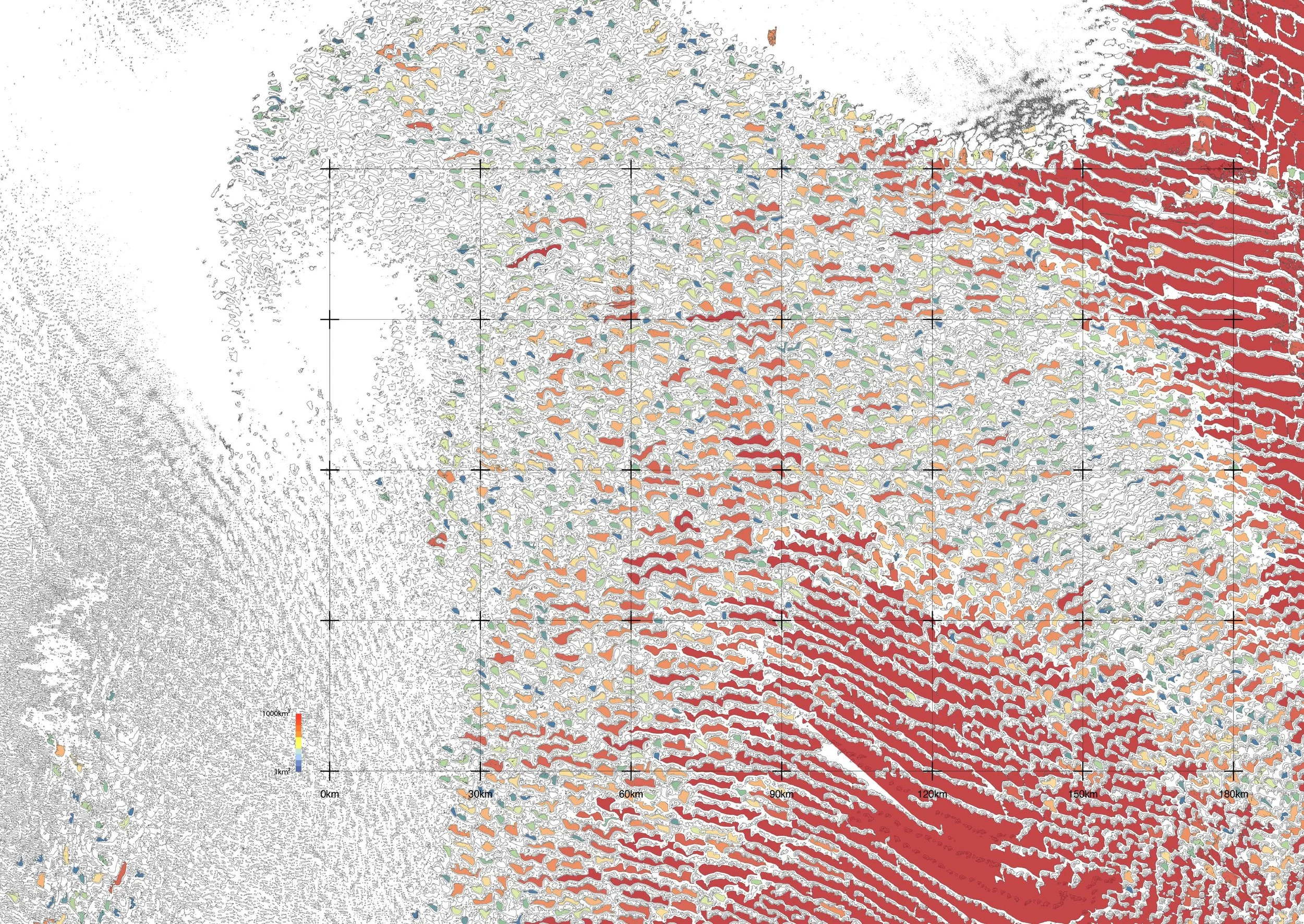
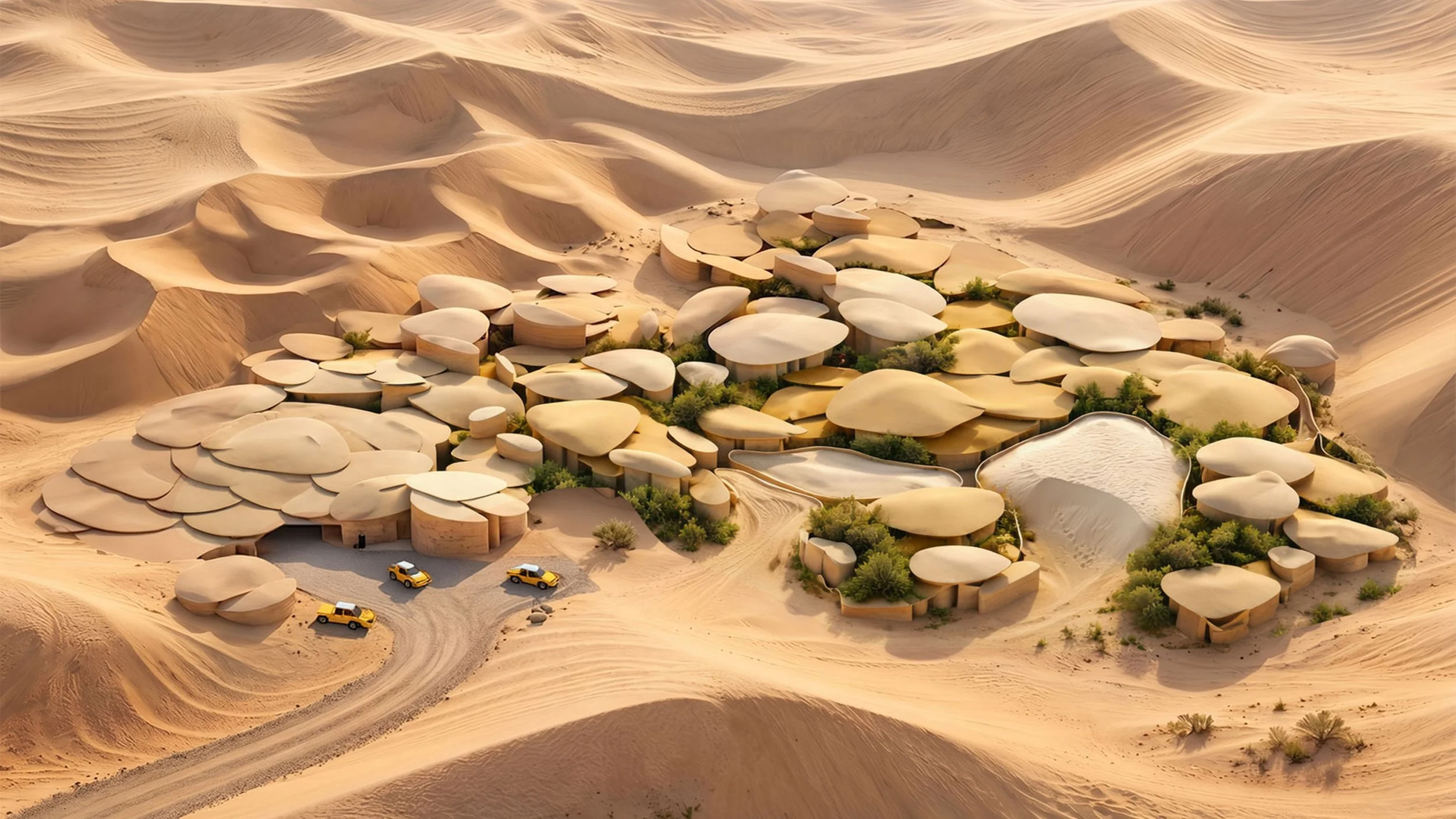
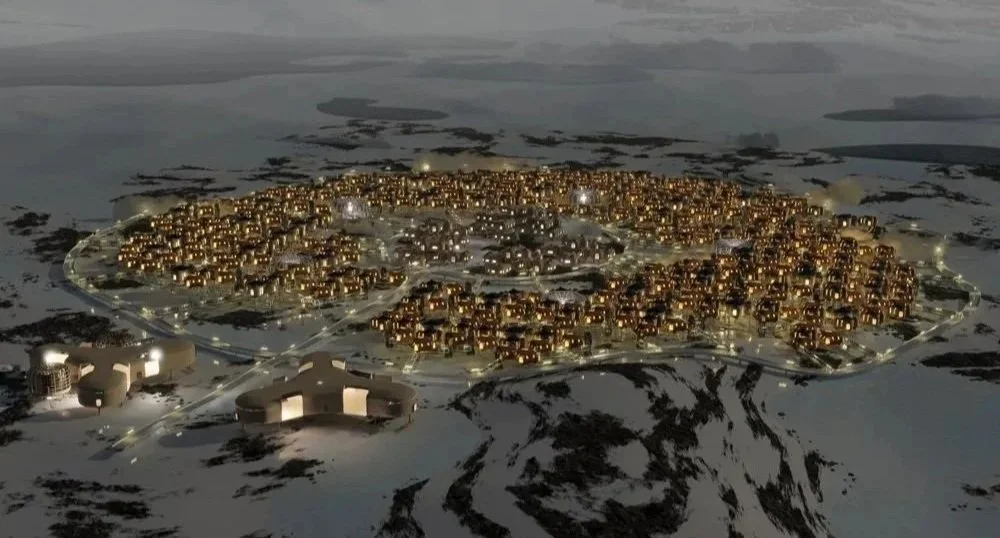
Design II: Ecological Urban Design is focused on creating new design experiments and system logics for ecologically sensitive settlements with urban tissues in extreme climates and ecological contexts. It is founded on the logic that the patterns of human inhabitation are determined by the needs of the infrastructure of the ecology – designed, grown and developed as integrated natural and cultural systems, with the ambition to be resilient to change. Projects will be developed for a sensitive biome affected by climate change that functions both as a place of food production and a place of inhabitation for people. The design will integrate topographical and hydrological conditions with patterns and clusters of dense and/or distributed urban blocks and associated productive landscapes that have their own intricate networks. Each Team will develop their Design Strategy in response to an initial research of the dynamic parameters that act on the site – for example wind and temperature gradients, variations in river flow, tide levels, storm surge water height, –saline to fresh, wet to dry, surface to depth, solid to liquid, with their temporal parameters – daily, seasonal, monthly and longer term. Strategies for operating on those gradients will be proposed. Initial Design Experiments will be conducted to test generative algorithms in the context of the ecological gradients and parameters, and to explore variations and combinations with quantification of their capacities and performance. The developed Design Proposal will demonstrate the dynamics of adaptive changes over time of the proposed integrated productive landscape, the qualities and quantities of its urban morphologies and its ecological context.